~ 4 min read
Nextcloud vs oCIS
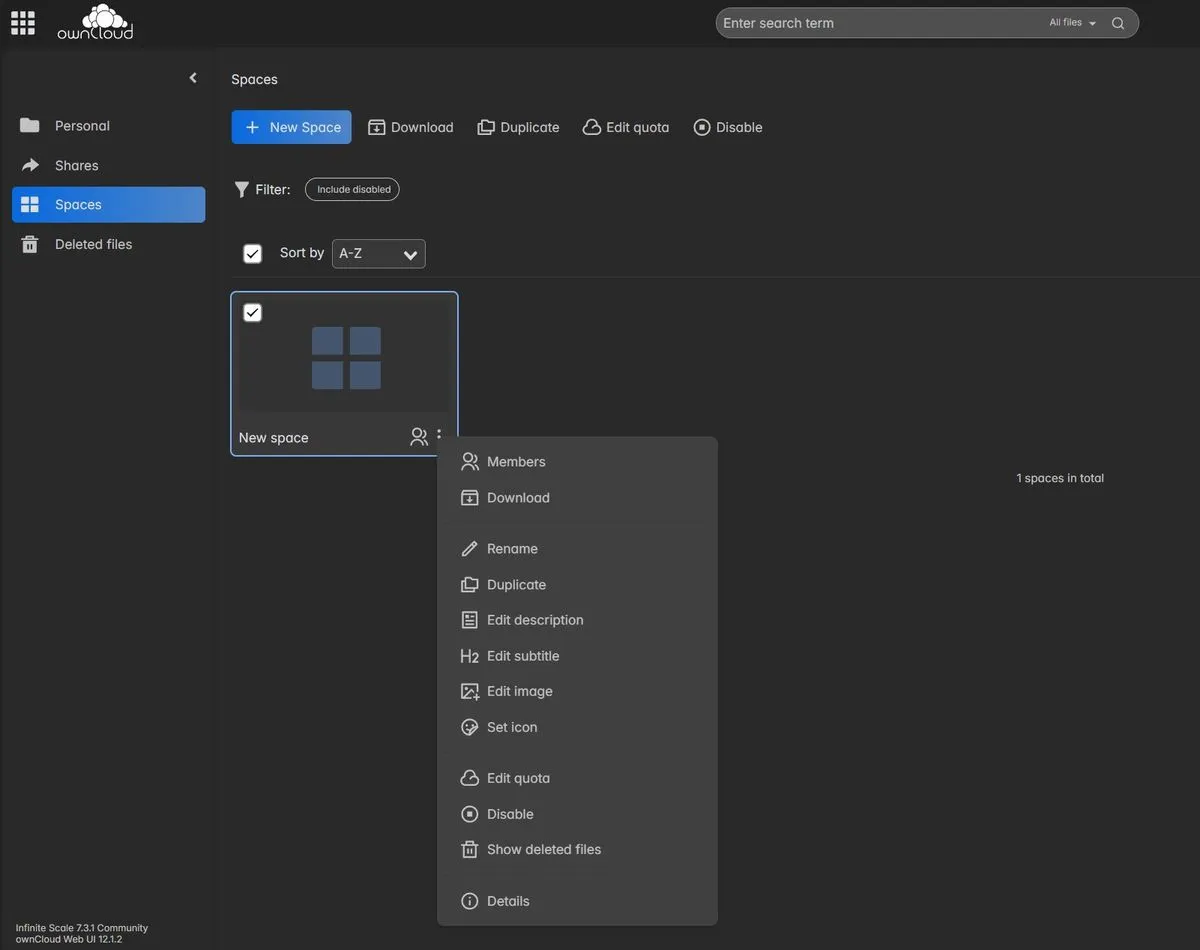
ownCloud and Nextcloud are both popular, open-source, and self-hosted cloud storage platforms designed for file sharing, synchronization, and data sovereignty, offering alternatives to services like Google Drive or Dropbox. Nextcloud is generally more feature-rich, offering built-in collaboration tools (video calls, calendar, document editing), while ownCloud focuses on being a faster, more stable file-only platform.
1. Nextcloud’s Origin
- Nextcloud is a fork — but not of just any project:
It was created in 2016 by former ownCloud core developers, including Frank Karlitschek, after disagreements with ownCloud Inc.’s (the company) direction. - So: In June 2016, ownCloud was forked into Nextcloud (community-led fork)
Both share common roots, but have diverged significantly since.
2. The Go-Based, Lightweight Alternative: oCIS
- oCIS (ownCloud Infinite Scale) is a ground-up rewrite of ownCloud in Go (Golang).
- Developed by the original ownCloud team (now at ownCloud GmbH) as a modern, scalable successor to the PHP-based ownCloud/Nextcloud architecture.
- Key traits:
- 🚀 Written in Go → low memory footprint, high concurrency, fast startup
- ⚙️ Microservices architecture (gRPC, CS3 APIs)
- 🔒 No PHP, no Apache, no MySQL — runs as a single binary or container
- 📦 Modular: file sync, sharing, identity, etc., are decoupled services
- 🌐 Federated by design (supports cross-instance sharing via OIDC)
- 🆓 Open-source (AGPLv3), with enterprise features available
How oCIS Compares to Nextcloud
| Feature | Nextcloud | oCIS |
|---|---|---|
| Language | PHP + JS | Go + JS |
| Resource Use | High (PHP-FPM, DB, Redis, cron) | Low (single binary, minimal deps) |
| Scalability | Vertical scaling, complex clustering | Horizontal microservices, cloud-native |
| Ease of Setup | Easy for beginners (All-in-One) | Simpler long-term, steeper initial learning |
| Ecosystem | 200+ apps (Talk, Mail, Office, etc.) | Core features only (files, shares, users); fewer integrations |
| Philosophy | “Swiss Army knife” | “Do one thing well: secure file sync & share” |
💡 Why Homelabbers Are Interested
Many report that Nextcloud feels bloated over time — background jobs pile up, PHP memory leaks occur, and UI slows down.
oCIS appeals because:
- It’s snappy even on a Raspberry Pi 4 or old mini PC
- No database needed (uses embedded SQLite or external LDAP)
- Built-in end-to-end encryption (via client-side keys)
- Designed for modern infra (Kubernetes, Tailscale, OIDC)
⚠️ Caveat: oCIS does not yet support all Nextcloud apps (e.g., no built-in calendar, contacts, or Talk). It’s focused on files, sharing, and identity.
Nextcloud Focus
Aimed at being an “all-in-one” collaboration platform, often described as a self-hosted Microsoft 365 or Google Workspace alternative. It has a larger community, faster development, and a broader app marketplace.
ownCloud Focus
Prioritizes stability, performance, and enterprise-grade file management. It is often considered more suitable for large-scale, enterprise, or government deployments.
Features
- Nextcloud: Includes integrated chat, video calls, mail, and calendar by default.
- ownCloud: Stronger focus on managing and syncing large volumes of data and integrating with existing storage (e.g., S3 buckets, network drives).
Licensing & Cost
Both are open-source and free to self-host, but ownCloud operates on an “open-core” model where certain advanced features are restricted to the paid Enterprise edition. Nextcloud keeps more features free and monetize through support and enterprise services.
Bottom line in 2026:
Nextcloud originated as a community fork of ownCloud. Now, the original ownCloud team has rebuilt their platform from scratch in Go — resulting in oCIS: a faster, lighter, cloud-native alternative focused on secure file sync and sharing. While less feature-rich than Nextcloud today, oCIS offers superior performance and simplicity for homelab users prioritizing speed and resource efficiency over app ecosystem breadth.
🔗 Official site:
Related Articles
Run a local-first environment.
FileRise vs. nextExplorer
Compare two of the best modern, self-hosted file managers

TurnKey OS for your Homelab
TurnKey OS for your Homelab

Most Popular Home Media Apps
Most Popular Home Media Apps