~ 4 min read
Local-First Apps for Digital Independence

In an increasingly connected world, the dream of true digital independence often bumps up against the harsh reality of unreliable internet or cloud lock-in. For digital nomads, this tension is palpable: the constant need to be productive versus the unpredictable nature of life on the move.
Discover local-first software, a fundamental paradigm shift for digital sovereignty. This modern approach flips the script, prioritizing storing and processing data directly on your device. It’s about building apps that work seamlessly offline, ensuring true data ownership, and delivering lightning-fast, responsive experiences, with smart, automatic syncing only when you choose to connect.
The Problem with “Cloud-First”
Traditional cloud applications, while powerful, inherently rely on a constant server connection. If your Wi-Fi drops in a bustling cafe, or you’re deep in the wilderness, your access to critical work, notes, or creative projects vanishes. Your data resides on someone else’s server, governed by their rules, and vulnerable to their outages. This is the opposite of independence.
Key Characteristics of Local-First Apps
Local-First fundamental design philosophy.
- Offline First: The most striking feature. These apps are fully functional without an internet connection. Your data lives primarily on your device, making it instantly accessible regardless of network status.
- Data Ownership & Privacy: You gain greater control. Data is stored on your hardware, not a remote server you merely lease access to. Many local-first apps integrate client-side encryption, ensuring your privacy by design.
- Performance: Experience near-instant interactions. Since data access is local, there’s no network latency. This means snappier interfaces, faster searches, and immediate saving.
- Seamless Syncing: When you do get online, Local-First apps gracefully handle data synchronization in the background. Changes made locally are merged across multiple devices and users, often using sophisticated algorithms to resolve conflicts intelligently.
- Collaboration with Autonomy: Many local-first tools support real-time or asynchronous teamwork. Changes from collaborators are merged locally, allowing teams to work together efficiently even with intermittent connectivity.
How Local-First Works Under the Hood
The magic of local-first architecture.
- Local Data Storage: The application uses a database directly on your device, whether it’s your browser, phone, or computer, as its primary source of truth. Your changes are saved here first.
- Network Abstraction: Developers write their code as if the data is always local. The complexities of network requests, retries, and offline modes are handled by an underlying synchronization layer, not by the main application logic.
- Synchronization Services: When online, changes made locally are merged with data from other devices or a central server. This often involves advanced algorithms like CRDTs (Conflict-Free Replicated Data Types), which are specifically designed to merge concurrent changes from different sources without data loss, even if they occurred offline.
The Sovereign Benefits
For Users, Digital Nomads
- Works Anywhere: True freedom from Wi-Fi dependency. Work from a remote beach, a long train journey, or a co-working space with spotty internet.
- Faster & More Responsive: Enjoy snappy performance that never slows down due to network lag.
- More Private: Your data stays on your device, under your control. Reduce your digital footprint and reliance on third parties.
- Reliable & Resilient: Unexpected outages or poor connections don’t stop your workflow.
- True Data Ownership: Your data is yours, backed up and managed by you.
For Developers and the Open-Source Community
- Simpler State Management: Developers can focus on features and user experience, rather than managing “loading,” “offline,” or “network error” states.
- Focus on Features: Less time spent building complex server-side infrastructure for basic data persistence.
- Decentralization Potential: Local-first aligns perfectly with decentralized web principles, fostering a more safer and user-controlled internet.
Join the Local-First Movement
Embracing local-first applications is a powerful step towards achieving true digital independence. It empowers you to create, connect, and thrive, regardless of your location or internet availability.
Expand Your Autonomy
Dive into the building tools section to discover open-source local-first alternatives that will empower your journey towards true digital sovereignty. For a broader look at this growing ecosystem, we highly recommend visiting Applications and Stack.
Related Articles
Run a local-first environment.
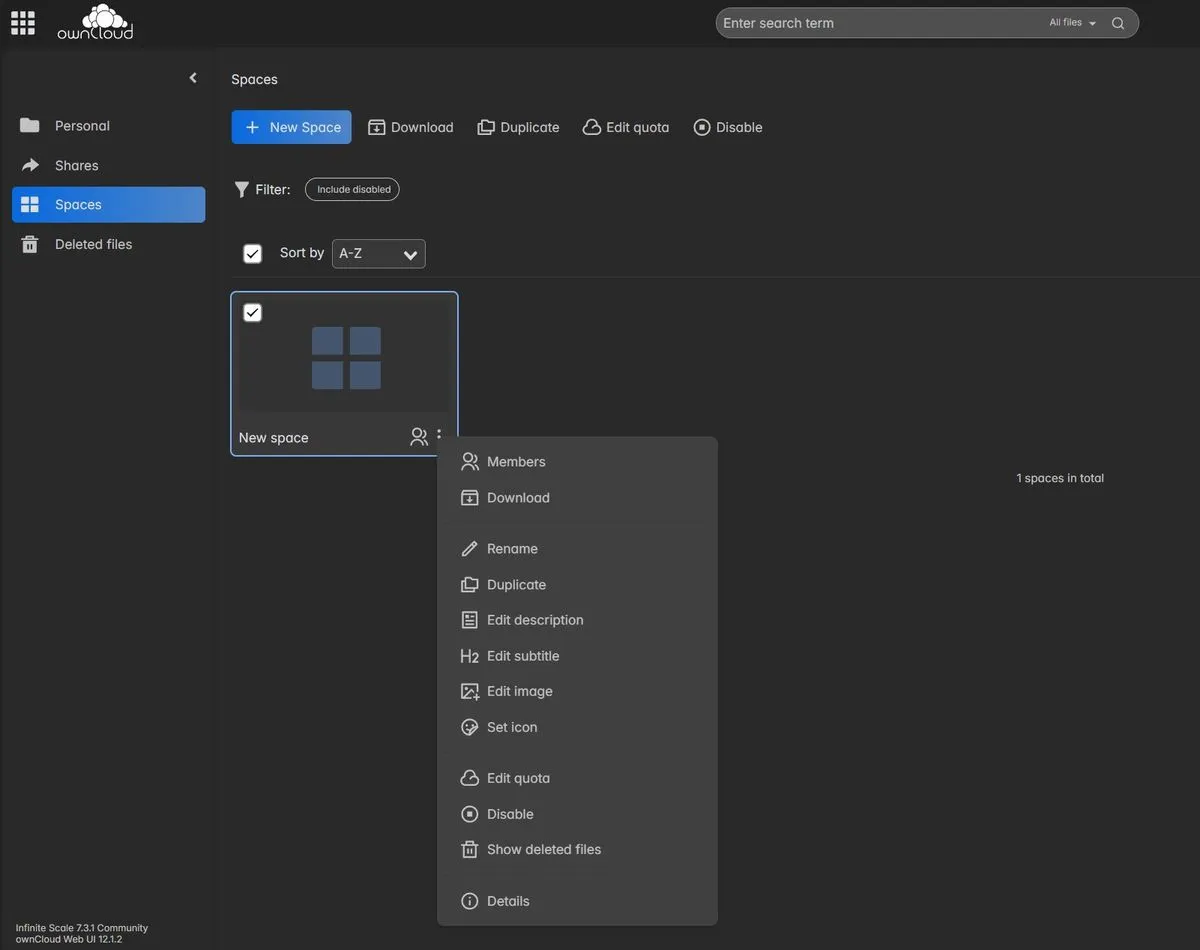
Nextcloud vs oCIS
Nextcloud vs ownCloud Infinite Scale. The Go-Based, Lightweight Alternative
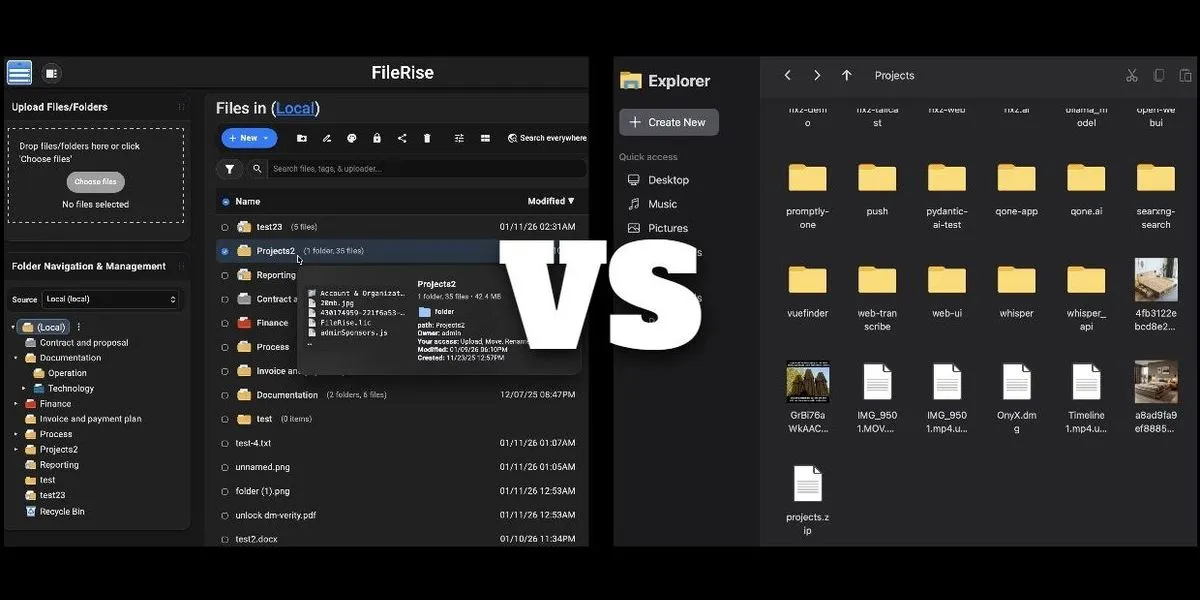
FileRise vs. nextExplorer
Compare two of the best modern, self-hosted file managers

TurnKey OS for your Homelab
TurnKey OS for your Homelab

Self-hosting is about strategic sovereignty
Self-host only what gives you real leverage: privacy, cost savings, reliability, or creative control.